
Key Takeaways
- Over 850 ships and 20,000 seafarers are currently stranded in the Persian Gulf.
- The U.S. 'Project Freedom' escort missions are facing significant scalability and mine-risk challenges.
- Iran's demand for transit tolls has created a 'sanctions trap' for shipping companies.
- Brent crude is hovering near $114, with analysts predicting a jump past $120 if the freeze continues.
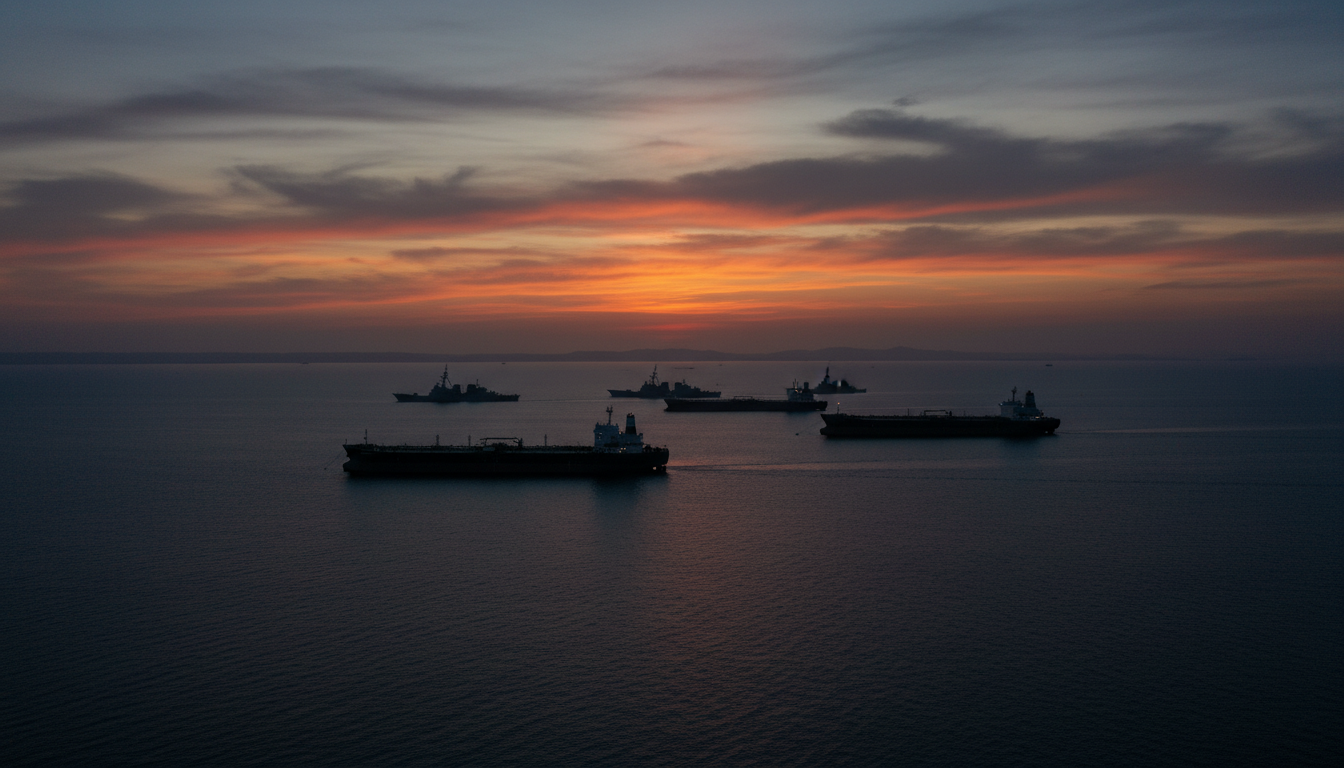
The situation in the Strait of Hormuz has moved from a tactical standoff to a systemic paralysis. As of early May 2026, the world’s most critical energy corridor is locked in a "shipping freeze" that is testing the limits of global diplomacy and naval power. While the U.S. has launched "Project Freedom" to break the blockade, the 21-mile-wide passage remains a graveyard for maritime commerce.
The Stalemate of Blockades
We are currently witnessing a dual-blockade scenario that has no modern precedent. Since the military strikes on February 28, Iran has effectively shuttered outbound global shipping. In response, the U.S. has maintained a suffocating naval blockade on all Iranian ports since April 13, zeroing out the Islamic Republic’s oil exports. Major General Ali Abdollahi has made it clear: any unauthorized entry is a declaration of war. Meanwhile, U.S. President Donald Trump has countered with a warning that any attack on U.S. vessels will lead to Iran being "blown off the face of the Earth."
Project Freedom: A Scalable Strategy or a PR Stunt?
The recent successful transit of the Maersk vessel Alliance Fairfax under U.S. escort was hailed as a breakthrough. However, the energy markets are skeptical. There are currently over 850 ships trapped in the Gulf. While CENTCOM can provide high-level security for a single high-profile merchant ship, scaling this to protect 20,000 stranded seafarers and a consistent flow of tankers is a different beast entirely. Shipping giants like Hapag-Lloyd have already signaled they will not risk transits until the waterway is cleared of unmapped naval mines, which have forced traffic into hazardous Omani territorial waters.
The Toll vs. Sanctions Trap
For ship owners, the crisis has created a legal and financial minefield. Iran is demanding passage fees—essentially tolls—for "safe" transit. However, the U.S. Treasury has issued a blunt warning: any payment to Iran, including those made via digital assets, will trigger immediate and severe sanctions. This leaves carriers in a "diplomatic limbo," unable to pay for safety and unable to move without it.
The Investor’s Bottom Line
For those of us in the oil and gas sector, the magic number is $120. Brent crude is currently oscillating between $107 and $114. If the freeze persists through the end of the month, or if a "Project Freedom" escort mission results in a kinetic exchange, we expect prices to shatter the $120 mark. This isn't just about supply; it's about the total loss of confidence in the world's most vital energy artery, which carries 20% of global oil and LNG.
We are on a knife-edge. The regional players, particularly the UAE, are already feeling the heat following drone strikes on Fujairah. For accredited investors, the current volatility represents both a massive risk and a generational shift in how we price geopolitical stability into energy assets.
Frequently Asked Questions
What is Project Freedom?
Why can't shipping companies just pay the Iranian toll?
Written by
Christian Rosenblum
Managing Editor