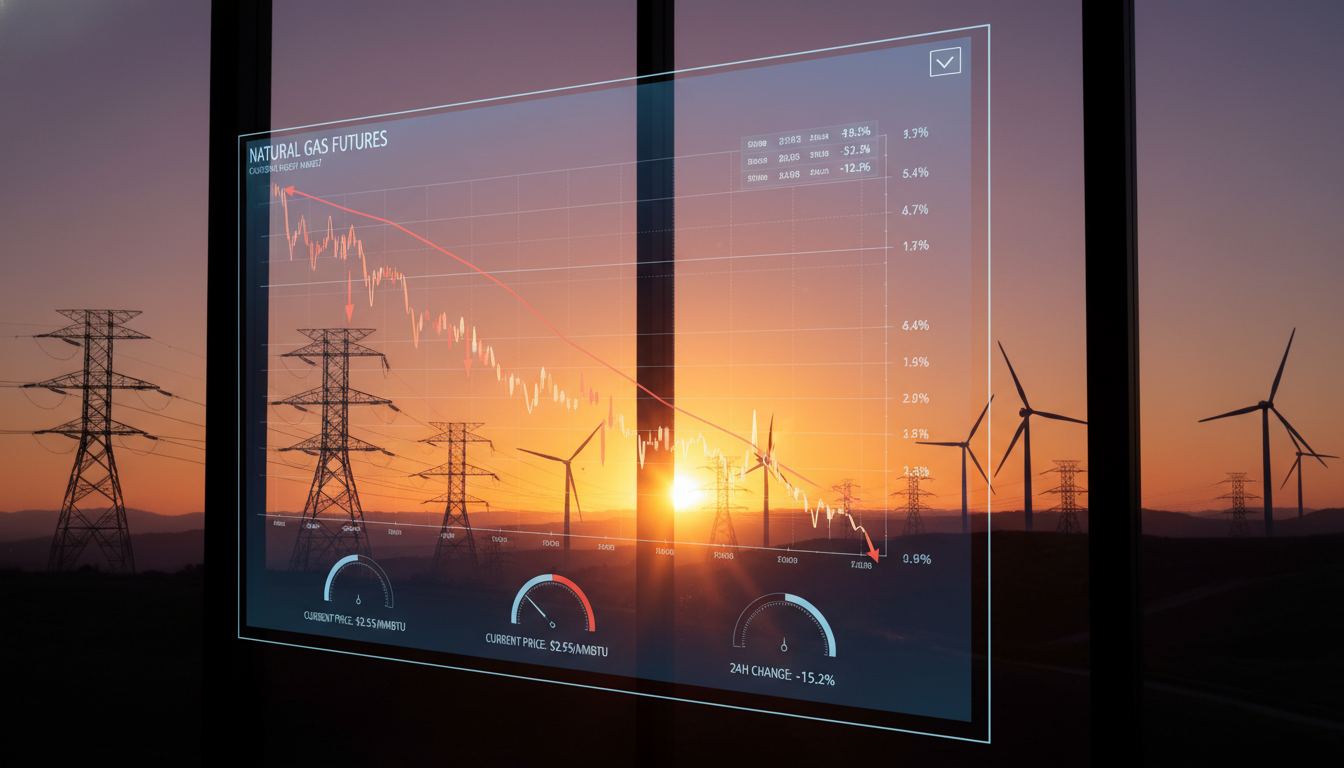
California Natural Gas Prices Reach Historic Lows in Early 2026
A 'perfect storm' of Permian oversupply and battery storage expansion has sent California spot prices to record lows, even as infrastructure costs keep utility bills stubborn.
Jason Gilbert
Founder & CEO, Fox Energy Partners
Key Takeaways
- Spot prices at PG&E Citygate have dropped to as low as $1.165/MMBtu.
- Pacific gas storage levels are 30.9% above the five-year average.
- Battery storage is significantly reducing the need for gas-fired peaker plants.
- Utility bills remain high due to wildfire mitigation and infrastructure costs rather than commodity prices.
- Investors are eyeing 2027 as a potential demand reversal point due to AI data center growth.
If you followed the California energy markets back in 2023, you remember the pain. We saw prices skyrocket to $50/MMBtu—nearly 12 times the decade average. But as we move through the first quarter of 2026, the pendulum hasn’t just swung back; it has practically fallen off the clock. We are currently witnessing a historic collapse in California natural gas spot prices at major hubs like PG&E Citygate and the SoCal Border Average.
The Perfect Storm of Oversupply
According to the latest data from the U.S. Energy Information Administration (EIA), Pacific region storage levels are currently 30.9% (approximately 69 Bcf) above the five-year average. This glut isn't an accident. A combination of aggressive production in the Permian Basin and the Rockies, coupled with a series of mild winter windows, has left the "Energy Island" of California awash in fuel.
Producers in neighboring basins are facing their own oversupply crises, effectively pushing gas toward the California border at any price they can get. At PG&E Citygate, we’ve seen spot prices dip as low as $1.165/MMBtu. For investors, this represents a total market reversal from the volatility of three years ago.
The Utility Paradox: Why Bills Aren't Budging
Here is the nuance that many retail observers miss: record-low commodity prices do not necessarily mean record-low utility bills. While PG&E, SoCalGas, and SDG&E are paying significantly less for the actual gas molecule, the California Public Utilities Commission (CPUC) has overseen a shift in how costs are structured.
Utilities are increasingly front-loading "system access" fees and wildfire mitigation costs. Essentially, the cost of the pipe and the safety of the grid now dominate the bill, making the actual price of natural gas a secondary concern for residential consumers. While the commodity is cheap, the infrastructure required to deliver it in a high-risk climate is more expensive than ever.
Batteries are the New Peakers
Perhaps the most significant structural headwind for natural gas demand is California's massive build-out of battery storage. In years past, natural gas "peaker" plants were the only solution for the evening ramp when solar production dropped off. Today, those batteries are doing the heavy lifting, shifting midday solar into the evening and drastically reducing the burn rate for gas-fired generation.
The 2027 Outlook: The AI Factor
For the accredited investor, the current low-price environment looks like a classic cyclical bottom. Analysts are already projecting a massive demand spike starting in 2027, driven by the "skyrocketing" energy needs of new AI-focused data centers. We may look back at early 2026 as the last period of true oversupply before the next structural bull market begins.
- U.S. Energy Information Administration (EIA) Weekly Natural Gas Storage Report
- California Energy Commission (CEC) Integrated Energy Policy Report
- CPUC 2023 Price Spike Investigation Final Report
Frequently Asked Questions
Why is natural gas cheap while gasoline is expensive?
What is the 'Energy Island' effect?
Jason Gilbert
Founder & CEO, Fox Energy Partners